


A year ago I swapped a handful of standard receptacles for USB outlets and called it the best upgrade I had made. No more digging through a junk drawer for a wall adapter. My kids could charge a tablet at the couch, and guests never had to ask me for a brick. I still stand by that convenience. What I would not do again is bake charging ports into my drywall. The ports are slow, the electronics inside wear out early, and the standard I wired in is the standard I am now stuck with. If you are weighing the same upgrade, a plain outlet paired with a charger you can swap will treat you better over the next decade.
The charging standard gets frozen in your drywall
A USB-A port from 2019 is still a USB-A port today
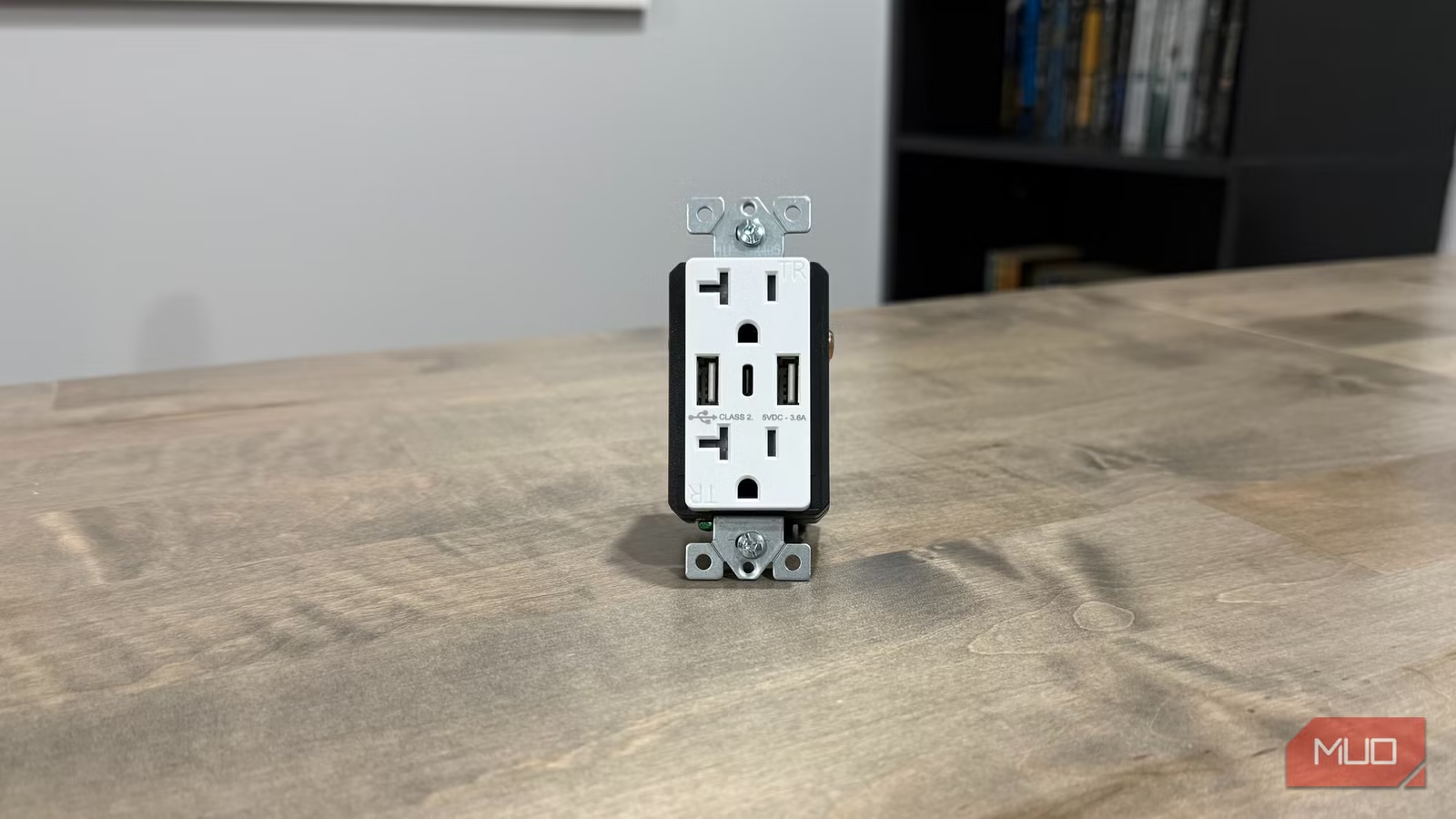
My USB outlets hand out 3.6 amps to share across their ports. That covers a phone overnight without complaint. Ask them to fast-charge a newer iPhone or push a tablet in a hurry, and they fall behind. Plenty of models are worse. A common outlet like the Legrand Radiant tops out around 15W on its USB-A ports, which felt generous a decade ago and looks slow now.
Recent iPhones pull more than double that over a wire, and some Android phones accept five times as much. The wall port cannot chase those numbers. A standalone charger can. When a faster standard lands, you buy a new GaN brick for $20–$40 and move on. The outlet in your wall keeps doing exactly what it did the day you installed it, which is the whole problem.
Related
I stopped buying the wrong charger once I learned what these names mean
Get this one-time decision right.
The electronics die years before the outlet does
The receptacle lasts decades, the converter doesn’t
A plain receptacle is dumb copper and contacts. Nothing about it degrades in any hurry, which is why the outlet behind your couch can outlast the roof. Add USB ports and you add a small AC-to-DC converter inside the box, packed with capacitors and a controller chip that run warm every time something charges.
Those parts wear on their own schedule, separate from the 120V contacts beside them. Most USB outlets carry a rated life of 5–10 years, against the decades a standard receptacle shrugs off. Mine still work fine a year in, but I spent 12 years around HVAC electronics, and I know how heat treats capacitors over time. When the ports start charging slowly, warming up, or discoloring around the openings, that is the converter telling you it is finished, long before the outlet itself has any reason to quit.
Swapping one out means killing a breaker
This is line-voltage work, not a cable swap
Photo by Vinayak Guhanarayan – No Attribution NeededCredit: Vinayak Guhanarayan/MakeUseOf
When a normal charger dies, you unplug it and drop a new one in. When a USB outlet dies, you are doing electrical work. That means finding the right breaker, shutting it off, confirming the box is dead with a voltage tester, and disconnecting the line wires before the old unit comes out. I take that seriously because I once flipped the wrong breaker while adding smart switches and caught a jolt I have not forgotten.
None of this is beyond a careful DIYer, but it is a real job with real risk, and it is the cost every time the ports fail. I would rather keep line voltage sealed in the box and run everything else at low voltage, which is part of why I power some of my gear over Ethernet instead of chasing new outlets. A brick asks for none of that.
A plain outlet and a charger you can replace
A GaN brick rides every upgrade the wall can’t
Here is the setup I would build today. Keep a standard, tamper-resistant receptacle in the wall, then plug in a power strip or a compact GaN charger sized for what you actually own. A single 65W brick can top off a phone, a tablet, and a laptop, and it often costs less than a decent USB outlet. When USB-C Power Delivery jumps again, you swap the brick, not the receptacle, and your wiring never enters the conversation.
If your real goal is a tidy wall rather than raw speed, you have cleaner options than embedding electronics. I use snap-on covers like the SnapPower nightlight to upgrade an outlet without touching the wiring, and I corral the cables I do run with the tricks that cleaned up my office. Both deliver the finished look people chase with USB outlets, minus the frozen standard and the electrician down the road.
Brand
Anker
Output
1x USB-C
Leave the charging to a brick you can swap
There is one spot where I still get the appeal. A nightstand or a kitchen counter you charge at every single day can justify the ports, since the convenience is constant and slow overnight speed rarely stings. Everywhere else, the math tips the other way. A plain outlet and a charger you can replace keeps pace with new phones, lasts longer, and never turns a dead port into an electrical project. I liked the convenience enough to wire it in once. Knowing what I know now, I would put that effort into a good GaN brick and leave my drywall alone.