


source: dexerto
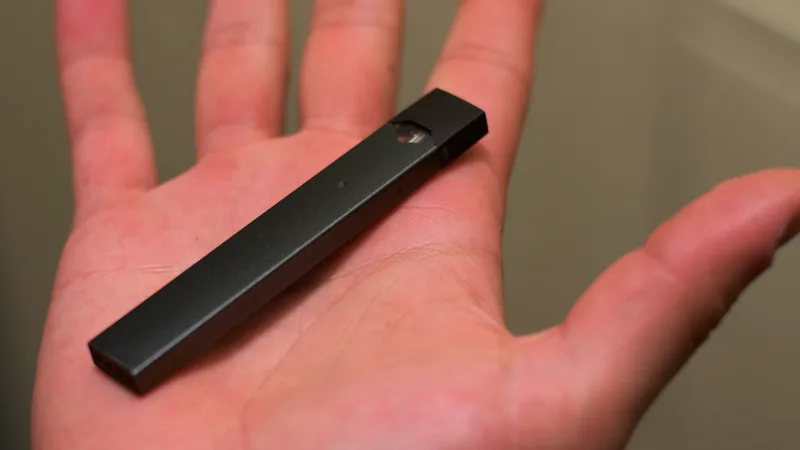
The FDA authorized Juul Labs to market its updated JUUL2 e-cigarette on August 28, as reported by 11Alive — the first time the company has been permitted to sell a new version of its flagship device since it launched more than a decade ago.
The authorization covers three products: the JUUL2 device itself, a tobacco-flavored pod, and a menthol-flavored pod. Under federal law, buyers must be at least 21 to purchase e-cigarettes in the United States.
The FDA weighed the approval against whether the products offer greater public health benefits than risks.
In its evaluation, the agency determined that exposure to harmful chemicals is worse with traditional cigarettes, and ruled that the benefit to adult smokers is sufficient to outweigh concerns around the menthol pod’s youth appeal.
How the Age-Verification System Works
The JUUL2 pairs with a smartphone app that includes an optional age-verification feature, which must confirm a user’s age before the device is unlocked and activated, 9News reported. The app also provides usage insights.
Juul developed the authentication system partly to fight counterfeit and illicit products, the device only functions with pods it recognizes as genuine.
The feature is optional, not mandatory. Still, it represents a meaningful technical layer Juul is adding in response to years of regulatory pressure over underage use.
Juul’s Regulatory History and Settlements
Juul has paid roughly $3 billion across various settlements tied to lawsuits over teen use of its products, according to 11Alive.
A 2022 settlement of $438.5 million in principle followed a multi-state investigation into its marketing practices, with allegations that the company used young models, distributed free samples, and ran social media campaigns that appealed to minors, Dexerto reported.
The company discontinued several flavors, including mango, mint, and creme, that had proven especially popular with underage users.
Juul Labs stated in a press release that underage use of its products has declined by more than 99% since 2019.
Where This Sits in the Broader Vaping Market
The JUUL2 authorization brings the total number of FDA-cleared e-cigarette products to 48, spanning devices from five manufacturers. That figure is as of August 28.
The FDA stressed that its authorization does not constitute product approval and that all tobacco products carry health risks and addiction potential.
This clearance follows a broader shift in federal vaping policy. In May, the FDA approved the first fruit-flavored e-cigarettes for sale, a significant departure from the agency’s prior stance.
The JUUL2 decision lands in that same evolving regulatory environment, though the agency’s authorization specifically covers only tobacco and menthol flavors for now.